
From Doomer to Skeptic: KMO on the Doomer Optimism Podcast
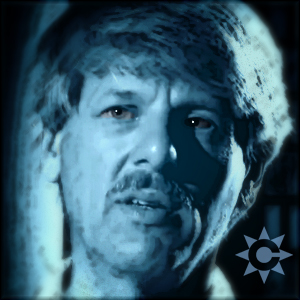
As part of the broader reorientation behind Getting Over Collapse, it makes sense to revisit one of the conversations that helped clarify where KMO now stands in relation to the collapse discourse that shaped so much of the earlier C-Realm era.
This episode of the Doomer Optimism podcast is useful for that reason.
KMO came to the conversation with some obvious overlap with the Doomer Optimism world. He spent years immersed in peak oil, collapse, industrial decline, relocalization, and the wider ecosystem of people trying to think seriously about the limits of industrial civilization. He interviewed many of the central figures in that scene. He lived at the Ecovillage Training Center at The Farm. He knew the arguments, the mood, the rhetoric, and the emotional appeal from the inside.
But that is precisely what makes the conversation worth revisiting now. KMO did not appear on the show to affirm the collapse script. He appeared as someone who had lived through it, absorbed it, organized a great deal of his intellectual life around it, and then come to see both its blind spots and its emotional temptations more clearly.
The heart of his argument in this conversation is not that limits are unreal, or that industrial society is healthy, or that technological acceleration guarantees a benign future. It is something more sober and, in its own way, more unsettling.
It is that human beings are strongly drawn to narratives of collapse, especially when their own lives are not going well, when they feel alienated from the surrounding society, or when they are hungry for stories in which the current order is doomed and their own dissatisfaction is therefore vindicated. Doom does not merely describe. It attracts. It flatters. It explains. It can even console.
That does not make every warning false. It does mean that warnings should be treated with more suspicion than collapse communities often grant them.
KMO’s criticism is not aimed only at facts or models. It is aimed at the psychological function of the narrative itself. If a story of collapse satisfies emotional needs before it satisfies evidentiary standards, then a person can become attached to it in a way that distorts judgment. At that point, failed predictions do not necessarily weaken belief. They may simply be folded into the story and deferred.
This is one reason the conversation is so relevant to Getting Over Collapse. The project is not about mocking earlier fears or pretending the old concerns were baseless. Nor is it about swinging back to naïve techno-utopianism. KMO makes that clear here as well. He had an earlier techno-utopian phase before he swung into collapse thinking, and what he is doing now is not a simple return to the mood of the 1990s. It is a more chastened, more skeptical, and more pragmatic engagement with a world in which AI acceleration is no longer theoretical.
The earlier collapse story did not simply fail. It also left open another branch of possibility: if thermodynamic collapse did not arrive in the near term, then advanced technological complexity—including artificial intelligence—would become increasingly decisive. That is now the world in front of us. It is not a utopia. It is not reassuring. But it is not the world that older peak oil timelines taught many people to expect.
Another valuable thread in the episode is KMO’s criticism of how some collapse-oriented subcultures can distort real human priorities. He speaks bluntly about the danger of structuring a life around grand narratives that may be wrong in timing, wrong in mechanism, or wrong in scale. To bet one’s actual life against a collapse prophecy that arrives seventy years late is still to have been wrong. For younger people especially, that can mean forfeiting opportunities, stability, and earned competence in exchange for a romantic posture toward a future that never quite materializes on schedule.
That does not mean one should simply become a contented consumer and stop thinking. Quite the opposite. It means the work is to recover proportion, practical judgment, and some degree of epistemological humility. It means recognizing that collapse talk can become a kind of identity performance, a way of signaling sophistication or alienation, rather than a reliable guide to action.
This episode does not settle the argument. That is part of what makes it worth hearing. What it does offer is a clear expression of the position KMO eventually reached after years inside the collapse-oriented world: not denial, not faith in progress, not renewed utopianism, but a refusal to keep feeding on doom for emotional or social reasons.
That refusal is one of the threads that leads directly into Getting Over Collapse.
Comments